

Thinking about moving to San Diego?
Choosing a home here often begins with a bigger question: What kind of San Diego life are you looking for?
San Diego offers everything from downtown condominiums and walkable urban neighborhoods to historic residential communities, coastal living, and quieter suburban areas. The right choice depends on much more than price or square footage. Commute patterns, housing style, walkability, parking, outdoor space, proximity to the coast, neighborhood character, and how you spend your everyday life can all influence where you ultimately feel most at home.
Christopher Schell has served San Diego real estate clients since 1995, helping buyers understand not only individual properties but also the neighborhoods and tradeoffs that come with them.
This guide is designed to help you start making sense of San Diego before you make your move.
Start With Lifestyle, Not Listings

One of the easiest mistakes when relocating is to begin by searching homes before deciding what type of location actually fits your life.
A beautiful property may not be the right home if its location creates a daily routine you do not enjoy.
Before narrowing your search, think about questions such as:
There is rarely one objectively “best” neighborhood. The goal is to identify the part of San Diego that best matches your priorities, budget, housing preferences, and daily routine.
Understanding San Diego's Geography
San Diego covers a large and varied geographic area, and neighborhoods that appear close together on a map can offer very different living experiences.
Central San Diego provides access to many of the city's established neighborhoods, employment centers, cultural destinations, Balboa Park, Downtown, and major transportation routes.
Coastal communities provide closer access to beaches and the ocean but often come with different housing choices, pricing, parking considerations, and traffic patterns.
More suburban communities may provide different combinations of lot size, housing age, freeway access, and residential density.
For someone moving from outside San Diego, understanding these geographic differences before touring homes can dramatically improve the search process.
Central San Diego Neighborhoods to Explore
My website focuses particularly on several established central San Diego communities. Each offers a different combination of housing, location, architecture, walkability, and lifestyle.
Downtown San Diego
Downtown provides one of San Diego's most urban living environments.
Housing consists largely of condominiums and residential towers, with neighborhoods and districts including Little Italy, Columbia, Marina, Gaslamp Quarter, East Village, Cortez Hill, and the Downtown core.
For relocation buyers, important considerations may include:
Condominium building, HOA assessments, parking, amenities, location within Downtown, views, walkability, building age, association finances, and access to the waterfront and surrounding neighborhoods.
Hillcrest & Bankers Hill
Hillcrest and Bankers Hill offer central locations close to Balboa Park, Downtown, medical facilities, restaurants, shops, and surrounding Uptown neighborhoods.
Housing ranges from condominiums and townhomes to detached homes and architecturally distinctive older properties.
These areas can appeal to buyers who value a more urban environment while still wanting established residential streets and convenient access to much of central San Diego.
Explore Hillcrest & Bankers Hill
Mission Hills
Mission Hills is an established residential neighborhood known for mature landscaping, architectural variety, and a central location near Hillcrest, Old Town, Bankers Hill, Downtown, and the airport.
Housing includes historic and architecturally distinctive homes as well as remodeled and contemporary properties.
Because properties can differ significantly in age, lot, condition, architecture, and location within the neighborhood, buyers benefit from looking beyond simple price-per-square-foot comparisons.
University Heights & Normal Heights
University Heights and Normal Heights combine central location with smaller-scale residential streets, local businesses, restaurants, and a mix of housing styles.
Buyers will find bungalows, cottages, condominiums, apartments, and other residential property types.
These communities are worth considering for buyers who want neighborhood character and access to central San Diego without necessarily choosing Downtown living.
Explore University Heights & Normal Heights
Kensington & Talmadge
Kensington and Talmadge contain many established homes and distinctive architectural styles, including Spanish Revival influences.
Their residential character, mature landscaping, central location, and access to surrounding communities make them important areas for buyers exploring central San Diego.
Age, renovation quality, lot characteristics, and property condition can significantly affect individual home values.
North Park & South Park
North Park and South Park combine residential neighborhoods with restaurants, independent businesses, parks, and other neighborhood amenities.
Housing includes Craftsman homes, bungalows, Spanish-style properties, condominiums, townhomes, and newer infill development.
Individual streets can differ considerably, which makes touring the neighborhood itself just as important as touring individual properties.
Coastal, Urban or Residential?
One of the most useful questions a relocating buyer can ask is:
What version of San Diego do I actually want?
Urban Living
An urban location may provide greater access to restaurants, entertainment, cultural destinations, public spaces, and everyday amenities within a relatively compact area.
Housing often includes more condominiums and attached properties.
Downtown, Hillcrest, and portions of Bankers Hill are examples of areas where buyers can find a more urban experience.
Established Neighborhood Living
Central residential neighborhoods Diego.
They can offer detached homes, mature landscaping, architectural character, local commercial districts, and easier access to multiple parts of San
Mission Hills, Kensington, Talmadge, University Heights, Normal Heights, North Park, and South Park each provide different versions of this environment.
Coastal Living
Living closer to the coast can provide convenient access to beaches, ocean recreation, and coastal communities.
Buyers should also consider housing density, parking, seasonal traffic, marine conditions, lot size, housing type, and commute patterns when comparing coastal locations with inland neighborhoods.
San Diego Housing Types
Another important relocation decision involves the type of property you want to own.
Single-Family Homes
San Diego's detached housing ranges from historic cottages and Craftsman homes to Spanish Revival residences, mid-century properties, remodeled homes, and newer construction.
Older properties can offer significant architectural character, but buyers should carefully evaluate condition, electrical and plumbing systems, roof, foundation, drainage, sewer, previous renovations, and permits where relevant.
Condominiums
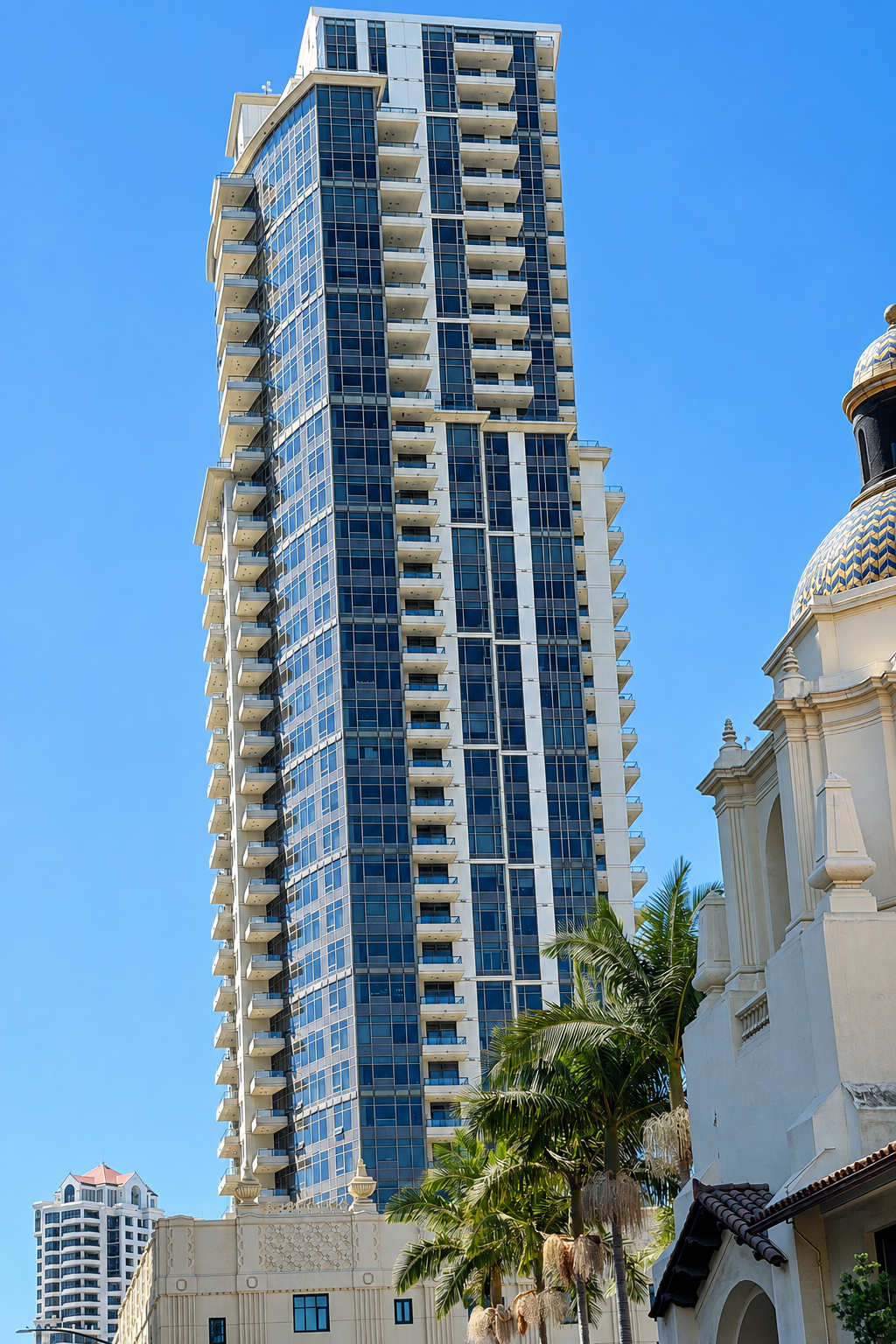
Condominiums are common throughout Downtown and many central San Diego neighborhoods.
When evaluating a condo, the building itself is part of the purchase decision.
Important issues can include:
A beautiful unit in a poorly managed association can create very different ownership considerations from a similar unit in a financially healthy building.
Townhomes
Townhomes can provide an alternative between condominium and detached-home living.
Depending on the property, buyers may find:
- Attached garages
- Multiple levels
- Patios or private outdoor areas
- Fewer shared walls
- HOA-maintained common areas
Association documents and financial information remain important where an HOA is involved.
What Does It Cost to Live in San Diego?
Housing costs can differ substantially between neighborhoods, property types, and even individual streets.
Rather than relying on a single citywide median price, relocating buyers should evaluate the actual neighborhoods and property types they are considering.
The purchase price is also only part of the financial picture.
Your housing budget may need to account for:
- Mortgage payment
- Property taxes
- Homeowners insurance
- HOA assessments
- Mortgage insurance, where applicable
- Utilities
- Maintenance
- Repairs
- Parking expenses in some locations
- Future improvements
For condominium buyers, monthly HOA assessments should be evaluated in conjunction with what the association provides and its overall financial condition.
Search Current San Diego Homes
Getting Around San Diego
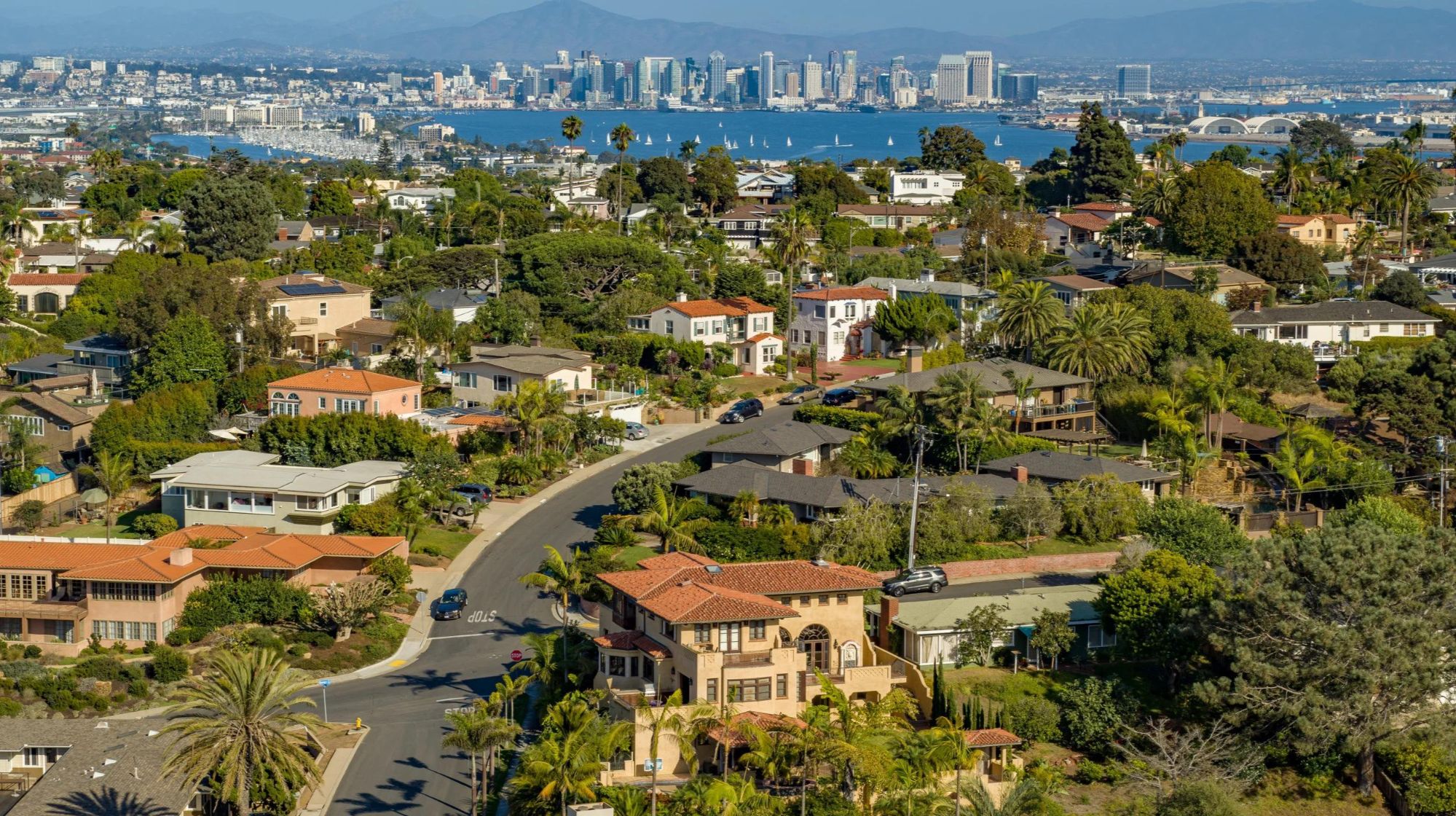
San Diego is geographically spread out, which makes transportation an important relocation consideration.
A neighborhood that looks convenient geographically may feel quite different depending on where you travel regularly and when those trips occur.
Before choosing an area, consider your expected travel to:
Someone working remotely may prioritize neighborhood lifestyle over commuting.
Someone commuting regularly may want to test the route during the actual times they expect to travel.
When possible, I recommend experiencing prospective neighborhoods at different times of day rather than evaluating them from a map alone.
San Diego's Climate and Microclimates
One reason people relocate to San Diego is its generally mild climate, but weather can vary considerably across the region.
Coastal areas are influenced more strongly by the marine environment and may experience cooler temperatures and more cloud cover at certain times.
Locations farther inland generally experience greater temperature variation.
Even within central San Diego, elevation, orientation, coastal influence, and surrounding terrain can affect sunlight, breeze, and temperature.
For buyers moving from outside Southern California, these differences may be worth experiencing personally before choosing a location.
Architecture and Older San Diego Homes

Many central San Diego neighborhoods contain homes built decades ago.
That history contributes to much of the area's architectural character, including:
Older homes should be evaluated thoughtfully.
Depending on age and condition, buyers may want additional information regarding electrical systems, plumbing, sewer lines, foundation, roof, drainage, windows, previous improvements, and permitting.
Architecture can add considerable appeal—but maintenance and modernization also need to be factored into the purchasing decision.
Buying a Home Before You Arrive in San Diego
Some relocation buyers are able to visit San Diego several times before purchasing.
Others need to complete much of the process remotely.
Technology makes remote home buying much more practical, but good communication and careful due diligence become especially important.
Depending on the circumstances, I can assist with:
- Preliminary neighborhood discussions
- Property searches
- Video consultations
- Virtual property tours
- Detailed observations about individual properties
- Offer preparation
- Electronic documentation
- Inspection coordination
- Transaction communication
- Final walk-through coordination
Whenever possible, I still encourage relocating buyers to spend time experiencing neighborhoods personally before making a final location decision.
A Practical Relocation Strategy
Rather than trying to understand all of San Diego at once, I recommend narrowing the process gradually.
A useful sequence is:
1. Define your lifestyle priorities. Decide what matters most about location, housing, transportation, and everyday life.
2. Establish your housing budget. Speak with a lender if you will be financing the purchase.
3. Identify several possible areas. Avoid committing to one neighborhood too early.
4. Compare neighborhoods before individual homes. Experience the streets, commercial areas, transportation routes, and surrounding environment.
5. Begin property searches. Compare what your budget buys in each area.
6. Refine your priorities. You may discover that something you initially considered essential matters less than another feature you had not considered.
7. Tour serious possibilities. Evaluate both the property and its location.
8. Make a purchase decision based on the complete picture.
The goal is not simply to find an attractive house.
It is to find a property and location that work together.
Moving From Another State
California real estate practices may differ from those you have experienced elsewhere.
Contracts, disclosures, escrow procedures, inspections, contingencies, property taxes, HOA documentation, and closing processes can all vary.
A relocation buyer should never feel embarrassed to ask:
“Is this normal in California?”
That is exactly the kind of question your real estate representative should help answer.
Planning Your Move
Once you have identified your destination and purchase timeline, begin planning the logistical side of the relocation.
Consider coordinating:
- Moving company
- Utilities
- Internet service
- Address changes
- Vehicle arrangements
- Insurance
- Storage if needed
- Travel
- Property access
- Contractors or improvements
- Closing and possession dates
If work is planned before move-in, it may also be useful to identify contractors and obtain estimates during escrow where appropriate and permitted.
Fair Housing and Choosing a Neighborhood
Choosing where to live is a personal decision.
As your real estate agent, I can provide objective information about:
- Property characteristics
- Housing inventory
- Pricing
- Transportation
- Location
- Amenities
- Parks
- Walkability
- Housing types
- Market conditions
For personal considerations such as schools, crime statistics, demographics, or other community characteristics, I can direct you to appropriate independent sources so you can evaluate those factors according to your own priorities.
This keeps the decision where it belongs—with you.
Frequently Asked Relocation Questions
How far in advance should I contact a San Diego REALTOR®?
Earlier is generally better.
You do not need to be ready to purchase immediately.
An early conversation can help you understand neighborhoods, housing options, pricing, financing, and realistic timing before you begin making major relocation decisions.
Should I rent first before buying?
Can I buy a San Diego home remotely?
How do I choose between several San Diego neighborhoods?
Should I choose the neighborhood or the house first?
Do I need to know exactly where I want to live before contacting you?
Why Work With Christopher Schell When Relocating?
Local San Diego Real Estate Experience Since 1995
When you're moving from another city or state, you need more than someone who can unlock listings.
You need someone who can help put those listings into context.
I help relocation buyers understand:
- How neighborhoods differ
- What different housing types offer
- How prices vary by location
- Property-specific strengths and concerns
- Local transaction practices
- Offer strategy
- Inspections and disclosures
- HOA considerations
- Transaction timelines
- What questions should be asked before making a decision
My goal is not to persuade you toward a particular neighborhood.
It is to help you understand the choices well enough to decide which part of San Diego makes the most sense for you.
You don't need to know exactly where you want to live before we talk.
Tell me what is bringing you to San Diego, what matters most in your next home, your anticipated timing, and what questions you have.
We can start by narrowing the possibilities and building a relocation plan around your priorities.
Talk with Chris About Moving to San Diego Explore San Diego Neighborhoods Search San Diego Homes